
1.1 Overview of Sustainable Construction
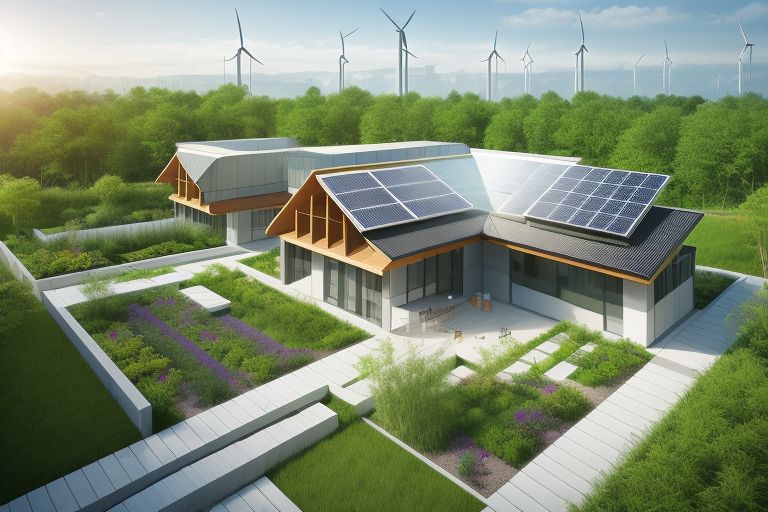
Lesson 1.1: Overview of Sustainable Construction
Sustainable construction is revolutionizing the way we design, build, and manage the built environment, addressing the urgent need to minimize the environmental footprint of the construction industry. As the world faces increasing challenges related to climate change, resource depletion, and pollution, sustainable construction practices offer a path toward more responsible and resilient building approaches. This lesson provides a foundational understanding of sustainable construction, exploring its core principles, historical evolution, and the significant impact of construction activities on the environment.
We will delve into the key drivers behind sustainable construction, examining how it not only mitigates environmental harm but also enhances economic and social outcomes for communities. By learning about the role of key stakeholders, from government regulators to architects, engineers, and contractors, you will gain insight into how collaborative efforts can shape a more sustainable future for the construction industry.
Whether you are new to the concept of sustainable construction or seeking to deepen your knowledge, this lesson will equip you with essential insights into the principles that guide sustainable building practices, the environmental challenges they address, and the broader impact on our communities and the planet.
Objective:
By the end of this lesson, learners will gain a foundational understanding of sustainable construction, including its definition, core principles, and the environmental impacts associated with traditional construction practices. This lesson aims to equip learners with the knowledge of how sustainable construction can mitigate these impacts through resource efficiency, waste reduction, and environmental protection.
Learners will explore the historical context and evolution of sustainable construction, recognizing the shift from early traditional practices to the modern green building movement influenced by technological advancements and environmental awareness. Additionally, this lesson will highlight the critical role sustainable construction plays in addressing climate change, enhancing the resilience of buildings, and delivering long-term economic and social benefits.
Through this lesson, learners will be able to identify the key stakeholders involved in sustainable construction, understand their roles, and appreciate how collaborative efforts can drive the industry toward a more sustainable future.
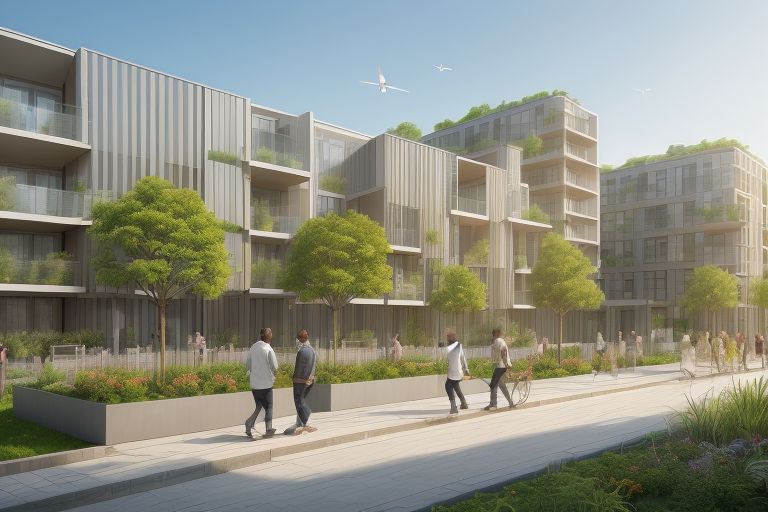
1. Introduction to Sustainable Construction
The construction industry is one of the most resource-intensive sectors globally, significantly impacting the environment through high energy consumption, material use, and waste generation. As concerns about climate change, resource depletion, and environmental degradation grow, the need for sustainable construction practices has never been more critical.
Sustainable construction represents a transformative approach to building design, development, and operation. It focuses on minimizing negative environmental impacts, enhancing resource efficiency, and creating healthier environments for occupants. This shift towards sustainability is not just about reducing carbon footprints; it’s about rethinking the entire construction process—from planning and design to materials and construction techniques, and finally, the operation of the building over its lifetime.
In this section, we will explore the core principles that define sustainable construction, including resource efficiency, waste minimization, environmental protection, and health and safety. Understanding these principles will provide a solid foundation for recognizing how sustainable construction practices can address the pressing environmental challenges faced by the construction industry today.
Key Points
Sustainable construction is more than just a trend; it’s a fundamental shift in how we approach the built environment. It encompasses the design, construction, operation, and maintenance of buildings in ways that reduce their environmental impact, enhance resource efficiency, and improve the health and well-being of occupants. The goal is to create built environments that positively contribute to environmental, social, and economic sustainability. Below are the core principles of sustainable construction that guide this approach:
a. Core Principles of Sustainable Construction
1. Resource Efficiency
Resource efficiency is a cornerstone of sustainable construction, emphasizing the optimal use of materials, energy, and water throughout the entire lifecycle of a building—from planning and construction to operation and demolition. By maximizing the use of resources, sustainable construction minimizes waste, reduces costs, and lessens environmental impacts.
-
- Optimal Use of Materials: Prioritizing the use of durable, sustainable, and locally sourced materials reduces the environmental footprint of transportation and supports the local economy.
- Energy Efficiency: Incorporating energy-efficient systems such as LED lighting, high-performance insulation, and energy management systems reduces energy consumption and operational costs.
- Water Efficiency: Implementing water-saving technologies like low-flow fixtures, rainwater harvesting systems, and water recycling processes conserves valuable water resources.
2. Waste Minimization
Waste minimization is essential in sustainable construction, focusing on reducing, reusing, and recycling materials on-site to lower the overall waste generated during the construction process.
-
- Reducing Waste: Careful planning, precise measurements, and efficient material handling techniques help minimize waste generation from the outset.
- Reusing Materials: Salvaging and repurposing materials such as bricks, wood, and fixtures reduce the need for new resources and lower disposal costs.
- Recycling: Recycling materials like concrete, metals, and glass prevents them from ending up in landfills and supports the circular economy by turning waste into valuable resources.
3. Environmental Protection
Sustainable construction prioritizes environmental protection, implementing measures to reduce emissions, pollution, and ecological disturbance during both the construction phase and the building’s operational life.
-
- Reducing Emissions: Using low-emission construction equipment, adopting green building technologies, and utilizing renewable energy sources help cut greenhouse gas emissions.
- Pollution Control: Erosion control measures, sediment barriers, and site-specific stormwater management plans minimize water pollution during construction.
- Conserving Natural Habitats: Designing projects that preserve existing trees, green spaces, and wildlife habitats reduces the ecological footprint of construction activities.
4. Health and Safety
Ensuring health and safety is a vital aspect of sustainable construction, addressing both the safety of workers during the building process and the well-being of occupants after completion.
-
- Indoor Air Quality: Using non-toxic, low-VOC (volatile organic compounds) materials improves air quality, reducing the risk of respiratory issues and other health concerns for occupants.
- Proper Ventilation: Designing buildings with adequate ventilation and air filtration systems enhances indoor air quality and overall comfort.
- Comfort and Well-Being: Integrating natural lighting, noise reduction measures, and ergonomic design features promotes a healthier, more comfortable living and working environment.
These principles collectively define sustainable construction, setting the foundation for practices that reduce environmental impact, enhance efficiency, and promote healthier, safer, and more resilient built environments.
Reflection Element:
Think about the environmental impacts of construction you’ve observed in your own experience.
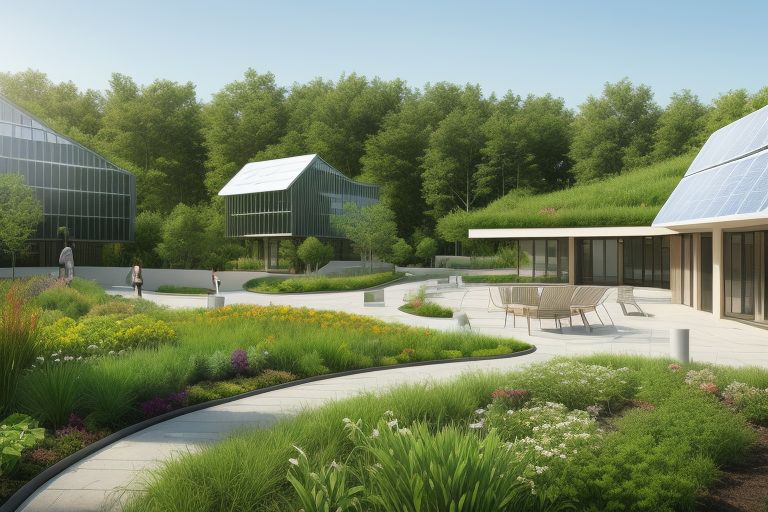
2. Historical Context and Evolution
The concept of sustainable construction is not entirely new; it has deep historical roots that trace back to early human civilizations that intuitively embraced resource efficiency and environmentally harmonious building practices. From the use of locally sourced materials and passive solar designs in ancient architecture to the dramatic shifts in building methodologies seen in the modern era, the evolution of sustainable construction reflects humanity’s ongoing relationship with the environment.
This section explores the historical development of sustainable construction, highlighting how ancient practices laid the groundwork for today’s green building movement. We will look at key moments that shaped the industry, such as the oil crises of the 1970s and the rise of environmental consciousness in the late 20th century, which spurred a more systematic approach to sustainability in construction.
Understanding the historical context helps us appreciate how far sustainable construction has come and why it is critical for the future. This journey from past to present provides valuable insights into the ongoing innovation and adoption of sustainable practices that continue to redefine the construction industry today.
Key Points:
a. Early Practices
Sustainable construction principles have been practiced for centuries, often driven by necessity and local conditions rather than explicit environmental awareness. Early civilizations, including the Romans, Egyptians, and various indigenous communities, developed building techniques that were inherently sustainable, utilizing locally available resources and climate-adaptive designs.
-
- Locally Sourced Materials: Early builders used readily available materials like stone, clay, and timber, which minimized transportation costs and environmental impact. For example, the Egyptians used locally sourced limestone and mud bricks, while Roman structures utilized stone and concrete made from volcanic ash.
- Passive Design Techniques: Ancient builders often employed passive design techniques to enhance the comfort of structures without additional energy inputs. Adobe homes in hot, arid climates provided natural cooling through thick, insulating walls, while Roman aqueducts and baths demonstrated early water management and conservation techniques.
- Indigenous Wisdom: Indigenous communities worldwide, from the igloos of the Arctic to the bamboo stilt houses of Southeast Asia, designed homes that harmonized with their environment, reducing the need for external energy sources and minimizing waste.
These early practices were inherently sustainable, as they prioritized resource efficiency, adapted to local climates, and minimized environmental disruption, laying a foundational ethos for modern sustainable construction.
b. Modern Movement
The modern sustainable construction movement began in the late 20th century as a response to growing environmental challenges, energy crises, and the recognition of climate change. This period marked a pivotal shift from traditional building methods to more systematic and intentional approaches to sustainability in construction.
-
- Environmental Awareness and Oil Crises: The oil crises of the 1970s exposed the vulnerability of energy-dependent economies and prompted a reevaluation of energy consumption in all sectors, including construction. This period saw a surge in environmental consciousness, with increased focus on reducing energy use, improving insulation, and exploring alternative energy sources.
- Introduction of Green Building Standards: The late 20th century saw the development of the first green building standards, which formalized sustainable construction practices. Notable among these was the introduction of the LEED (Leadership in Energy and Environmental Design) certification in 1998, which established criteria for sustainable site development, water savings, energy efficiency, material selection, and indoor environmental quality.
- Recognition of Climate Change: As the scientific consensus on climate change grew, so did the urgency for more sustainable building practices. Governments, industries, and communities began to acknowledge the significant role of the construction sector in global greenhouse gas emissions, driving further innovation and adoption of green building technologies.
c. Current Trends
Today, sustainable construction is at the forefront of innovation, integrating advanced technologies, green certifications, and renewable energy solutions to meet the challenges of the modern world. The focus is on creating smarter, more efficient, and environmentally friendly buildings.
-
- Advanced Technologies: Technologies such as Building Information Modeling (BIM) enable architects and engineers to optimize building designs for energy efficiency, material use, and overall sustainability. BIM allows for detailed simulations that can predict a building’s environmental impact before construction even begins, ensuring more efficient project planning and execution.
- Green Certifications: Beyond LEED, other green building certifications like BREEAM (Building Research Establishment Environmental Assessment Method) have gained prominence. These certifications provide comprehensive frameworks for assessing a building’s environmental, social, and economic sustainability, encouraging best practices in construction and operation.
- Renewable Energy Integration: The integration of renewable energy sources, such as solar panels, wind turbines, and geothermal systems, has become a key component of sustainable construction. These technologies not only reduce the carbon footprint of buildings but also contribute to energy independence and resilience.
The evolution of sustainable construction reflects an ongoing commitment to reducing the environmental impact of buildings, enhancing resource efficiency, and promoting healthier, more resilient communities. From ancient practices to cutting-edge innovations, the journey of sustainable construction continues to shape the future of the built environment.
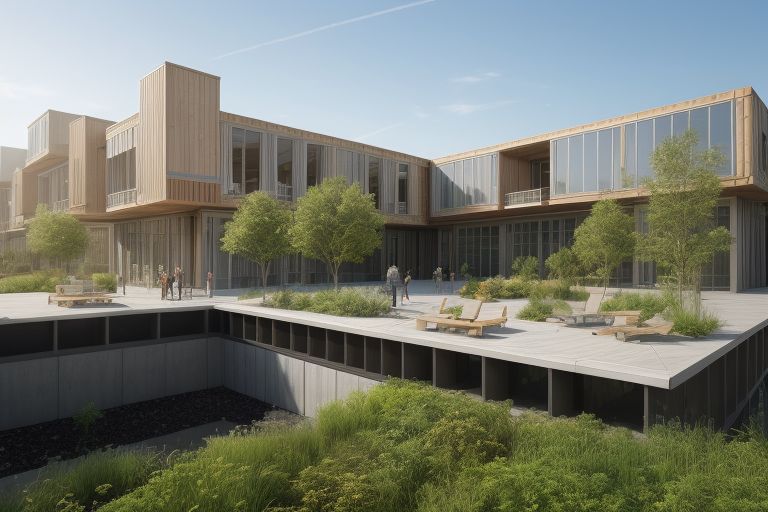
3. Impact of Construction on the Environment
The construction industry plays a vital role in shaping our built environment, supporting economic growth, and providing infrastructure essential for modern life. However, this sector is also one of the most significant contributors to environmental degradation. The environmental impact of construction extends far beyond the physical footprint of buildings; it encompasses the extraction of raw materials, energy consumption, waste generation, and pollution throughout the entire lifecycle of a project.
Understanding these impacts is crucial for driving change toward more sustainable practices. Construction activities are responsible for substantial resource consumption and emissions, contributing to global challenges such as climate change, loss of biodiversity, and pollution. By examining the environmental consequences of construction, we can better appreciate the urgent need for sustainable solutions that reduce the negative impacts while enhancing the efficiency and resilience of our buildings.
In this section, we will explore the major environmental impacts of construction, including resource consumption, energy use, waste generation, and pollution, highlighting why sustainable construction is essential to mitigate these challenges.
Key Points:
The construction industry significantly impacts the environment due to its extensive use of resources, energy, and the waste it generates. Each stage of a construction project, from material extraction to building operation and eventual demolition, contributes to environmental degradation. Below are the key areas where construction affects the environment:
a. Resource Consumption
The construction sector is one of the world’s largest consumers of raw materials, using approximately 40% of global resources. This vast consumption includes a wide array of materials, such as metals, timber, sand, gravel, and minerals, which are essential for creating buildings and infrastructure.
-
- Metals: Materials like steel and aluminum are widely used in construction for their strength and durability but require significant energy and water resources during extraction and processing.
- Timber: Although timber is a renewable resource, unsustainable logging practices can lead to deforestation, loss of biodiversity, and disruption of ecosystems.
- Minerals and Aggregates: Sand, gravel, and stone are essential for concrete and other building materials. Their extraction can lead to habitat destruction, erosion, and the depletion of natural landscapes.
The high demand for these materials strains natural resources, highlighting the need for sustainable sourcing, recycling, and the development of alternative, eco-friendly building materials.
b. Energy Use
Buildings are responsible for nearly 30% of global energy consumption, which contributes significantly to greenhouse gas emissions and climate change. Energy is used at various stages, including construction, operation, and demolition, with a large portion dedicated to maintaining building comfort.
-
- Operational Energy: The majority of energy consumption occurs during the building’s operation phase, with heating, cooling, lighting, and appliance use being the primary drivers. Inefficient building designs and outdated technologies exacerbate energy use, increasing carbon emissions.
- Embodied Energy: Embodied energy refers to the total energy required to produce building materials, transport them to the site, and assemble them into structures. This hidden energy cost significantly contributes to a building’s overall environmental impact.
To reduce energy use, sustainable construction emphasizes energy-efficient designs, renewable energy integration, and smart technologies that optimize building performance.
c. Waste Generation
Construction and demolition activities are major contributors to global waste, producing millions of tons annually. Waste from construction sites includes concrete, wood, metals, plastics, and other building materials, much of which ends up in landfills.
-
- Construction Waste: Poor planning, over-ordering of materials, and inefficient use of resources lead to significant waste generation during construction.
- Demolition Waste: Buildings that are demolished at the end of their lifespan generate large amounts of waste, much of which could be recycled or repurposed.
- Landfill Impact: Disposing of construction waste in landfills not only occupies valuable land but also poses environmental risks, such as leachate formation, which can contaminate soil and water sources.
Adopting waste reduction strategies, such as reusing materials, recycling demolition waste, and employing modular construction, can greatly minimize the environmental impact of waste.
d. Pollution
Construction activities contribute to various forms of pollution that negatively affect air, water, and soil quality, posing risks to ecosystems and human health.
-
- Air Pollution: Dust generated from excavation, vehicle emissions, and the use of heavy machinery release particulate matter and harmful pollutants into the air, contributing to respiratory problems and environmental damage.
- Water Pollution: Construction sites often produce runoff that carries sediments, chemicals, and debris into nearby water bodies, disrupting aquatic ecosystems and contaminating water supplies.
- Soil Contamination: Hazardous materials such as paints, solvents, and fuels used on construction sites can leak into the soil, harming plant life and potentially entering the food chain.
Minimizing pollution requires strict site management practices, the use of environmentally friendly materials, and technologies that reduce emissions and prevent contamination.
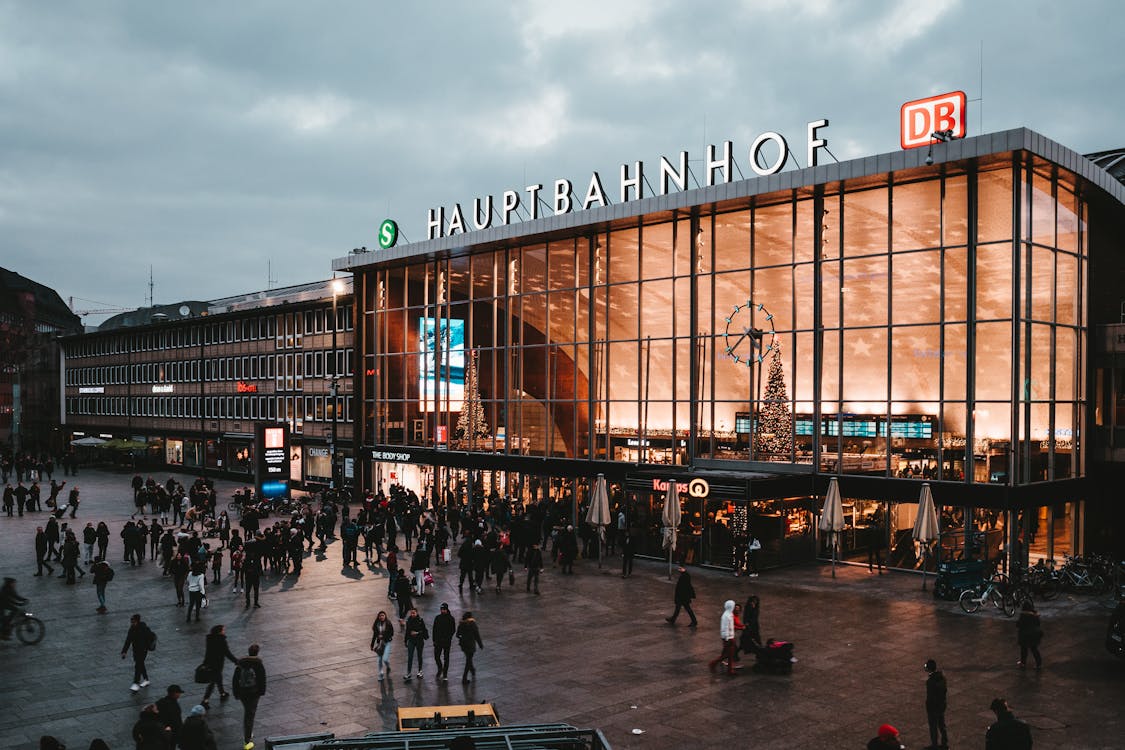
Case Study Example: The Berlin Hauptbahnhof (Berlin Central Station)
The Berlin Hauptbahnhof, or Berlin Central Station, is one of the largest train stations in Europe and a prominent example of modern architecture. While the project showcases impressive design and engineering, it also highlighted several unsustainable practices, particularly in terms of resource use and waste generation.
Project Overview:
- Location: Berlin, Germany
- Completion: 2006
- Key Features: Multi-level design, extensive use of glass and steel, and a central location in Berlin’s urban landscape.
Unsustainable Practices Highlighted:
1. Excessive Resource Use
The construction of Berlin Hauptbahnhof involved substantial resource consumption, particularly in the use of steel and glass. The project used approximately 30,000 tons of steel and over 10,000 square meters of glass, much of which was imported from other regions. This not only increased the environmental footprint due to the energy-intensive production processes but also contributed to high transportation emissions.
- Steel Production: The production of steel is energy-intensive and generates significant carbon emissions. For the Berlin Hauptbahnhof, the steel used was a major contributor to the project’s embodied energy.
- Glass Sourcing: The large glass facades, while aesthetically impressive, required substantial amounts of energy to produce and transport, adding to the project’s overall resource consumption.
2. Waste Generation
During the construction of Berlin Hauptbahnhof, a considerable amount of construction waste was generated. The complexity of the design, combined with the scale of the project, led to inefficiencies in material use and waste management.
- Construction Waste: The project generated a large volume of waste materials, including concrete, metal offcuts, and packaging materials. Despite efforts to recycle some of the waste, a significant portion ended up in landfills.
- Operational Waste: The construction process also involved large amounts of temporary structures and materials, which were disposed of after use, contributing to additional waste.
3. Environmental Impact
The high resource use and waste generation had notable environmental impacts. The project’s carbon footprint was significant due to the energy-intensive materials and processes involved.
- Carbon Footprint: The extensive use of steel and glass contributed to high greenhouse gas emissions throughout the building’s lifecycle, from production to transportation and installation.
- Ecological Disruption: The construction process, while modern and efficient in many ways, also had local ecological impacts, including disruption to urban wildlife and changes in local air and water quality.
Lessons Learned:
The Berlin Hauptbahnhof case study illustrates the environmental challenges associated with large-scale construction projects. Key lessons include:
- Resource Efficiency: Emphasizing the use of sustainable materials and reducing reliance on energy-intensive products can mitigate the environmental impact.
- Waste Management: Implementing robust waste reduction and recycling strategies can help manage and minimize construction waste.
- Holistic Planning: Considering the full lifecycle of materials, from production to disposal, is crucial for assessing the true environmental impact of a project.
By learning from projects like Berlin Hauptbahnhof, the construction industry can improve its practices to better align with sustainable principles, reducing resource use, waste generation, and overall environmental impact.
Reflection Element:
Reflect on the environmental impacts of construction you’ve observed in your own experience.

4. The Role of Sustainable Construction in Addressing Climate Change
As global awareness of climate change intensifies, the construction industry stands at a critical juncture. Buildings and infrastructure are responsible for a substantial portion of global greenhouse gas emissions, making the sector a significant player in the fight against climate change. Sustainable construction practices offer a pathway to reduce these emissions, enhance resilience, and promote environmental stewardship within the built environment.
This section explores how sustainable construction practices are essential for mitigating climate change. By focusing on reducing carbon footprints, improving energy efficiency, and integrating renewable energy solutions, sustainable construction can substantially lower the environmental impact of buildings and infrastructure. Additionally, it can foster resilience to climate-related challenges, such as extreme weather events and rising temperatures.
Understanding the role of sustainable construction in addressing climate change is crucial for developing strategies that not only reduce emissions but also contribute to a more sustainable future. This section will delve into how sustainable practices help minimize carbon footprints, enhance building resilience, and offer long-term economic and social benefits, thereby playing a pivotal role in global climate action efforts.
Key Points:
a. Reducing Carbon Footprint
Sustainable construction practices play a critical role in reducing carbon emissions, which are a primary driver of climate change. By incorporating energy-efficient designs, renewable energy sources, and sustainable materials, buildings can significantly lower their carbon footprint.
-
- Energy-Efficient Building Designs: Energy-efficient buildings are designed to minimize energy consumption through techniques such as improved insulation, high-performance windows, and efficient heating, ventilation, and air conditioning (HVAC) systems. These designs reduce the demand for energy, leading to lower carbon emissions from power generation.
- Renewable Energy Integration: Integrating renewable energy sources like solar panels, wind turbines, and geothermal systems into building designs can offset the use of fossil fuels, further reducing greenhouse gas emissions. By generating clean energy on-site, buildings can contribute to a more sustainable energy grid.
- Sustainable Materials with Lower Embodied Carbon: Using materials with lower embodied carbon—such as recycled content, locally sourced materials, and low-impact manufacturing processes—helps reduce the overall carbon footprint of a building. For example, timber from sustainably managed forests has a lower embodied carbon than conventional concrete or steel.
b. Enhancing Resilience
Sustainable construction also focuses on enhancing the resilience of buildings to climate-related events, ensuring that structures can withstand and adapt to the impacts of climate change.
-
- Elevated Building Foundations: In flood-prone areas, elevated foundations protect buildings from water damage and reduce the risk of flooding. This design strategy is especially crucial in regions experiencing rising sea levels and increased precipitation.
- Natural Ventilation: Buildings designed with natural ventilation systems can reduce reliance on mechanical cooling, which helps mitigate the effects of extreme heat. Techniques such as cross-ventilation and the use of thermal mass can improve indoor comfort and reduce energy consumption.
- Green Roofs and Urban Heat Island Mitigation: Green roofs, which are covered with vegetation, help cool buildings and reduce the urban heat island effect, where urban areas become significantly warmer than their rural surroundings. This cooling effect can lower energy use for air conditioning and improve local microclimates.
c. Long-Term Economic and Social Benefits
Beyond the immediate environmental advantages, sustainable construction offers significant long-term economic and social benefits, contributing to broader societal goals.
-
- Reduced Operating Costs: Sustainable buildings often have lower operating costs due to their energy-efficient designs and reduced utility consumption. This can result in substantial savings over the building’s lifetime, making it a cost-effective choice for owners and operators.
- Enhanced Property Values: Properties with sustainable features and certifications tend to have higher market value and appeal. Buyers and tenants are increasingly seeking environmentally friendly buildings that offer lower operating costs and improved comfort.
- Improved Health and Well-Being: Sustainable construction prioritizes indoor environmental quality, including better air quality, natural light, and thermal comfort. These factors contribute to the health and well-being of occupants, reducing sick building syndrome and promoting a better quality of life.
- Greater Social Equity: By improving access to healthy, efficient, and affordable housing, sustainable construction can contribute to greater social equity. Green building practices can support inclusive development and ensure that underserved communities benefit from improved living conditions.
Sustainable construction is integral to addressing climate change, offering a holistic approach that balances environmental, economic, and social considerations. By reducing carbon footprints, enhancing resilience, and providing long-term benefits, sustainable practices help pave the way for a more sustainable and equitable future.
Reflection Element:
Reflect on how sustainable construction practices can help reduce the impact of climate change in our local communities.

5. Key Stakeholders in Sustainable Construction
The journey towards sustainable construction involves a diverse network of stakeholders, each playing a crucial role in shaping the practices and outcomes of building projects. From setting regulations and standards to designing, constructing, and maintaining buildings, the collaboration and commitment of various parties are essential for advancing sustainability in the construction industry.
Understanding the roles and responsibilities of these key stakeholders helps in coordinating efforts, fostering innovation, and implementing effective sustainable practices. This section explores the main stakeholders in sustainable construction, including government and regulatory bodies, architects and engineers, builders and contractors, suppliers, and the community. Each stakeholder group has unique influences and contributions that collectively drive the transition towards more sustainable and resilient built environments.
By examining the interactions and responsibilities of these stakeholders, we gain insight into how sustainable construction practices are developed, promoted, and executed, ultimately supporting a more environmentally conscious and sustainable future.
Key Points:
a. Government and Regulatory Bodies
Government and regulatory bodies are pivotal in shaping the framework and policies that drive sustainable construction practices. They establish standards, codes, and incentives to promote environmental stewardship and resource efficiency in the building sector.
-
- Standards and Building Codes: Governments develop and enforce building codes that incorporate sustainability principles, such as energy efficiency requirements, water conservation measures, and material sustainability. For instance, codes may mandate the use of energy-efficient windows, insulation standards, or green roofing systems.
- Incentives and Policies: Tax incentives, grants, and subsidies encourage the adoption of sustainable practices. Examples include tax credits for installing solar panels, financial incentives for achieving green building certifications like LEED, or rebates for energy-efficient appliances.
- Regulations and Mandates: Policies may require energy performance disclosures, emissions reductions, or sustainability assessments for new construction projects. These regulations ensure that environmental considerations are integrated into building designs and operations.
b. Architects and Engineers
Architects and engineers are instrumental in designing and planning buildings with sustainability at the forefront. Their expertise in incorporating sustainable practices into building designs helps reduce the environmental impact and enhances the functionality and efficiency of structures.
-
- Energy-Efficient Designs: Architects and engineers design buildings to optimize energy use through passive solar design, natural ventilation, and high-performance insulation. This includes orientation, window placement, and building shape to minimize heating and cooling demands.
- Sustainable Materials: The selection of materials with lower environmental impacts—such as recycled content, rapidly renewable resources, and low-toxicity finishes—is crucial. Architects and engineers ensure that these materials are integrated into the design.
- Innovative Technologies: Implementing cutting-edge technologies, such as Building Information Modeling (BIM) and smart building systems, allows for precise energy modeling, efficient resource management, and enhanced operational performance.
c. Builders and Contractors
Builders and contractors are responsible for executing the construction plans and ensuring that sustainable practices are applied on-site. Their role involves implementing various strategies to reduce environmental impact during the construction phase.
-
- Waste Reduction: Builders focus on minimizing waste generation through strategies such as on-site recycling, reusing materials, and optimizing material orders to reduce offcuts and surplus.
- Proper Material Handling: Ensuring that materials are stored, handled, and installed correctly prevents damage and waste. This includes using appropriate techniques to avoid contamination and ensuring that materials are used efficiently.
- Environmentally Friendly Processes: Contractors adopt practices that reduce environmental impact, such as controlling dust and emissions, managing construction site runoff, and minimizing noise pollution.
d. Suppliers
Suppliers play a critical role by providing eco-friendly materials and technologies that support sustainable construction practices. Their ability to offer sustainable options is essential for the successful implementation of green building projects.
-
- Eco-Friendly Materials: Suppliers provide materials that meet environmental criteria, such as low embodied energy, recyclability, and sustainable sourcing. Examples include low-VOC paints, recycled steel, and sustainable wood products.
- Technological Innovations: Suppliers offer technologies that contribute to sustainability, such as energy-efficient lighting, water-saving fixtures, and advanced insulation materials. Their innovations help meet performance standards and enhance building efficiency.
- Accessibility and Availability: Ensuring that sustainable products are readily available and competitively priced encourages their adoption. Suppliers work to expand the range of eco-friendly options and make them accessible to builders and developers.
e. Community and End-Users
The community and end-users influence the demand for sustainable construction and play a crucial role in advocating for and supporting green building practices. Their preferences and feedback drive market trends and encourage the adoption of sustainable solutions.
-
- Advocacy and Preferences: Communities often advocate for sustainable development through local initiatives, public campaigns, and support for green building projects. Their preferences for energy-efficient and healthy living environments drive demand for sustainable construction.
- Market Demand: End-users influence the market by choosing green buildings and sustainable products, which in turn encourages developers and builders to prioritize sustainability. This demand fosters a market for eco-friendly materials and practices.
- Feedback and Engagement: Engaging with communities and end-users helps understand their needs and preferences, leading to better-designed sustainable solutions that meet the expectations of occupants and stakeholders.
Each of these stakeholders plays a unique and complementary role in advancing sustainable construction. Their combined efforts contribute to the creation of buildings and infrastructure that are environmentally responsible, resource-efficient, and beneficial for current and future generations.
Congratulations on completing Lesson 1.1: Overview of Sustainable Construction. You’ve gained a foundational understanding of sustainable construction, including its core principles, historical evolution, and the environmental impacts of traditional building practices. This knowledge sets the stage for a deeper exploration of why sustainability is crucial in the construction industry.
In our next lesson, Lesson 1.2, we will delve into the Importance of Sustainability in Construction. This section will highlight the pressing need for sustainable practices and the significant benefits they offer, not only to the environment but also to the economy and society at large. We’ll explore how adopting sustainability can address global challenges such as climate change, resource depletion, and environmental degradation.
As you move forward, consider how the concepts you’ve learned in this lesson interconnect with the broader importance of sustainability. Understanding the reasons behind sustainable practices will provide you with a comprehensive view of their impact and significance in the construction industry.
Click on “Next” to begin Lesson 1.2 and continue your journey toward becoming a knowledgeable advocate for sustainable construction.